Vintage Postcard Road Trips: Miles of Memory and Magic

We’re setting out on Vintage Postcard Road Trips, letting curled corners, linen textures, and handwritten notes guide today’s wheels. Imagine tracing highways by inked arrows, roadside neon reborn at blue hour, and strangers recognizing a place their grandparents once mailed home. Together we’ll turn paper keepsakes into living itineraries, pairing historical clues with modern maps, honoring stories caught between stamps and sunsets. Bring curiosity, a camera, and respect for the people behind each address line, and let the journey stitch memory to landscape, mile after unforgettable mile.

Finding the Route in Faded Ink

Decoding Backs and Postmarks

Flip every card and slow down. Postmarks reveal regional sorting hubs, helping you triangulate habitual stopping points. Abbreviations mark favorite cafés, while ink pressure hints at hurried rainstorms or dusty rest stops. Compare handwriting between cards to find repeat routes, then match scrawled motel names with municipal directories. When a message says, “Turn at the red silo,” search aerial archives and agricultural records for remnants. Even a smudged date can anchor a season, guiding you to the same blooming trees, migrating birds, and roadside produce stands that once delighted the sender.

Large-Letter Clues

Those bold, blocky “Greetings from” designs hide practical intelligence beyond spectacle. The skyline montage usually features civic anchors: train depots, courthouse domes, bridges, theaters, and parks. Stand where perspective lines converge in the artwork, then rotate slowly until architectural silhouettes align. Notice typographic shadows that imply sun angle, suggesting ideal shooting windows. Street widths in illustrated scenes often exaggerate, so pace main drags to confirm scale. Ask librarians about historic vantage points used by commercial photographers. Matching a letter’s inset image to reality feels like time knitting itself happily together.

Vanished Motor Courts, New Landmarks

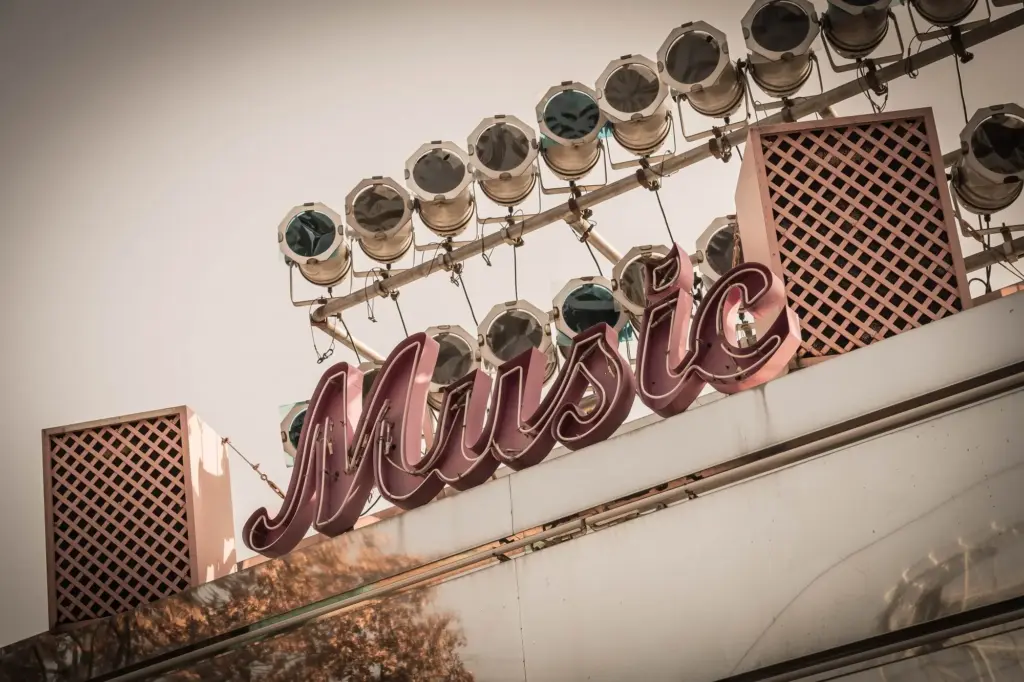
Many motor courts were renamed, relocated, or replaced, but breadcrumbs persist in utility poles, curb cuts, and stubborn palms planted as living beacons. Cross-reference phone numbers from card captions with telephone exchange lists to isolate districts. Property tax rolls, Sanborn maps, and vintage matchbooks add triangulation. When concrete pads remain empty, nearby owners often recall nicknames or family lore. Celebrate continuity when a successor business preserves the neon script or roofline. If nothing physical survives, seek interpretive signs, historical societies, or elder storytellers whose memories can rebuild a vanished night’s rest in generous detail.

A Field Album Built for Dust and Sun

Choose archival sleeves that resist humidity swings and protect corners without crushing embossing. Label pockets with soft pencil, never penetrating the paper itself. Keep cards out of direct sunlight during roadside consultations, using your hat or dashboard shade as a traveling conservation tent. Pack silica gel in a breathable pouch, and let materials acclimate before sealing. At day’s end, return every card to the same pocket, preserving sequence and context. That small ritual guards against loss, simplifies research, and turns your suitcase into a traveling library of landscapes with breathable shelves.

Maps, Apps, and Honest Mile Markers

Carry a spiral-bound road atlas with generous margins for notes, then pair it with satellite layers and street-level imagery saved offline. Pin postcard views, suspected vantage points, and contingency exits for construction. Build multiple routes that favor two‑lane serenity over high-speed anonymity, yet keep emergency shortcuts marked. Enable photo metadata, but also keep a handwritten index keyed to mile markers for redundancy. When signals fade, printed pages hold their nerve. Together, analog and digital systems reduce stress, preserve serendipity, and ensure the day’s best conversation is with a landscape rather than a loading screen.

Care, Conservation, and Roadside Calm

Handle postcards with clean, dry hands, avoiding lotions that transfer oils to porous fibers. Support edges, never flexing brittle stock. If wind rises, work low in the car or inside a doorway to protect surfaces from grit. Never tape or pin cards for quick photos; use neutral backdrops and soft weights. Record conditions, because humidity and light inform future handling. When locals offer family albums, accept only with consent, photograph minimally, and promise copies. Conservation, like driving, rewards patience, clear signaling, and kindness to strangers who may become the day’s most enduring guides.

Stories From the Shoulder and the Counter
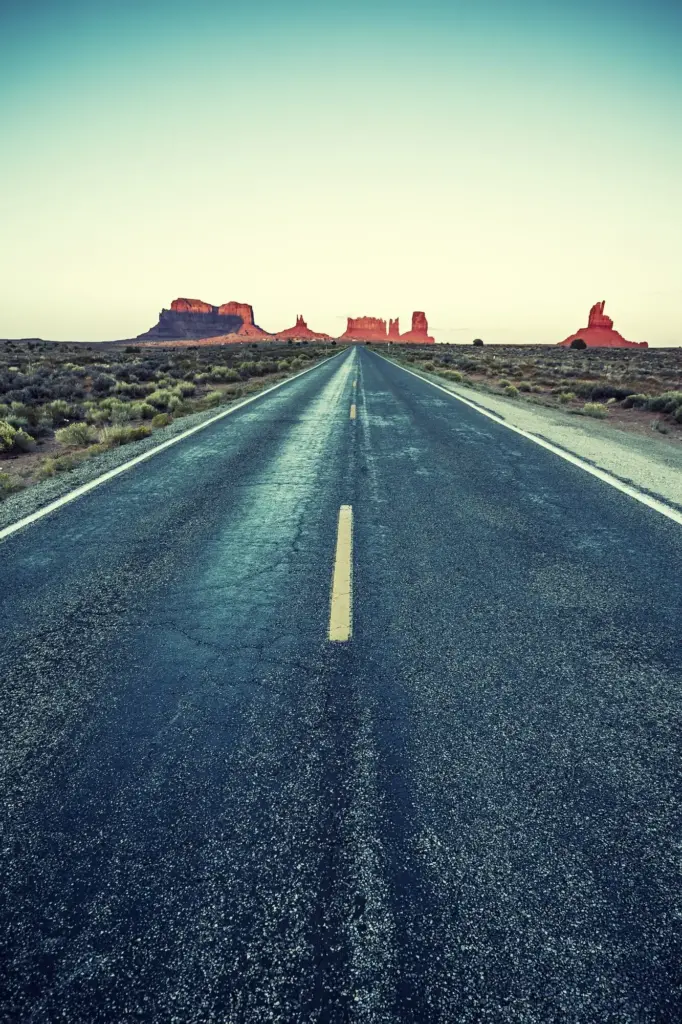
Every postcard becomes an introduction letter when you carry it with humility. A waitress points at a neon script and says her grandfather fixed that transformer in a summer storm. A farmer recognizes a bridge railing from childhood swims. A librarian fetches a folder that smells like pencil shavings and petrichor. These encounters gift directions money cannot buy. Collect names and thank-yous as faithfully as stamps, then send digital copies back. Road trips are made by people first, pavement second, and kindness ties the ribbon between a printed sky and today’s blue hour.

Paper, Ink, and the Long Arc of Travel

Knowing how postcards were made deepens how we see. Early twentieth century views sparkle with delicate halftones from the so‑called Golden Age, then the 1930s brought textured linen stocks with saturated dyes and oversized greetings. Midcentury “chrome” cards adopted glossy color photography, mirroring the optimism that accompanied growing highways. Each era favors particular angles, skies, and signage. When you identify the production method, you also decode cultural weather: aspirations, budgets, and materials. That understanding turns your camera into a translator, helping you echo intention without impersonation, honoring craft while walking forward in your own boots.

Photograph Like a Printed Memory

Treat scenes as if an ink tray waits nearby. Seek viewpoints that rhyme with historic frames, but invite present life into the composition: cyclists, dogs, school parades. Color grade with intention, borrowing palettes without mimicry. Prioritize clarity of story over photographic tricks. When signage remains, let it sing; when nothing stands, photograph traces: anchor bolts, ghost stripes, and desire paths bending the grass. Print your favorites on textured stock, write dates and coordinates on a slip tucked behind, and send copies to people who helped. A picture mailed completes a circle beautifully.

Palettes, Grain, and Gentle Contrast

Create a look that nods to linen saturation without overcooking skies. Lift blues slightly toward cyan, warm highlights like sun on stucco, and soften contrast in midtones where paper texture once lived. Add restrained grain that feels tactile rather than noisy. Keep reds believable around neon to avoid garish halos. Build a repeatable preset, but tweak per scene so sunlight, paint, and brick keep their individuality. Calibrate on a neutral card in open shade, ensuring the story reads first, color second, nostalgia third, memory last and longest, gently held in the eye’s back pocket.

Perspective, Posture, and Vantage Choreography

Many historical views were made from ladders, rooftops, or street corners that no longer exist. Reconstruct the vantage: low angles for heroic signage, centered symmetry for civic pride, playful diagonals for roadside kitsch. Move deliberately, testing horizons against surviving cornices and curbs. Mind traffic and property lines, always prioritizing safety and respect. Try a three‑frame method: reference match, contemporary life, and detail. Sequencing these images tells a fuller story than any single shot. If a perfect match proves impossible, photograph the gap itself; honesty becomes your most reliable tripod in shifting landscapes.

Printing, Finishing, and Thoughtful Sharing

Choose heavyweight, lightly textured paper to evoke tactile memory, and consider deckled edges for subtle romance. Print test strips to refine warmth and density, then annotate envelopes with location, date, and helpers’ names. When sharing online, include context about sources and permissions, inviting corrections from local experts. Mail physical copies to libraries, historical societies, and people who opened doors; generosity keeps archives alive. Avoid faux postmarks or misleading captions; transparency honors both past and present. A mailed print turns pixels into a handshake, reminding everyone that travel’s best souvenirs are shared, not stored.

People, Places, and Participation

This journey thrives on community. Comment with the crossroads your grandparents mentioned, or upload scans of postcards tucked in family shoeboxes. Subscribe for fresh routes, restoration spotlights, and printable checklists. Tell us where a courthouse clock still chimes, where neon flickers back to life on Fridays, or where a vanished café survives in recipes. We will credit every lead, send updates when mysteries resolve, and invite guest voices. Your memories set our compass, and together we’ll keep miles kind, stories accurate, and wonder available to anyone ready to lace paper to pavement.