

Postcards Beside the Highway: Then and Now

Journey with us through then-and-now photo guides to roadside attractions featured on vintage postcards, matching yesterday’s inked borders to today’s living landscapes. We’ll chase angles, decode postmarks, collect memories, and stitch together before-and-after views that turn glovebox ephemera into a friendly, navigable atlas of American wanderlust.

Angles Hidden in the Paper Grain

Perspective lines are breadcrumbs. Study how a motel balcony vanishes toward an intersection, how a sign’s lettering slants, how a curb cuts diagonally across the foreground. These cues reveal camera height, distance, and lens behavior. Recreate the stance, breathe, and let patience align today’s scene with the postcard’s quiet geometry.

Light, Weather, and Seasonal Patience

Postcards often captured cloudless skies and mid-morning shadows, but reality changes hourly. Return at similar seasons to match foliage density, sun angle, and even snowbanks. Overcast light can reduce harsh contrast, while golden hour can echo hand-tinted warmth. Accept small differences; they prove that time has moved, and you faithfully followed.

Safety, Access, and Neighborly Courtesy

Roads widen, shoulders vanish, and traffic speeds up. Use reflective gear, pull far from lanes, and never trespass. If your perfect vantage point sits inside a business, ask kindly and explain your historical project. Most owners delight in seeing their place honored and happily help you stand where the postcard stood.

Icons at the Edge of the Highway

Neon Motels That Refuse to Dim

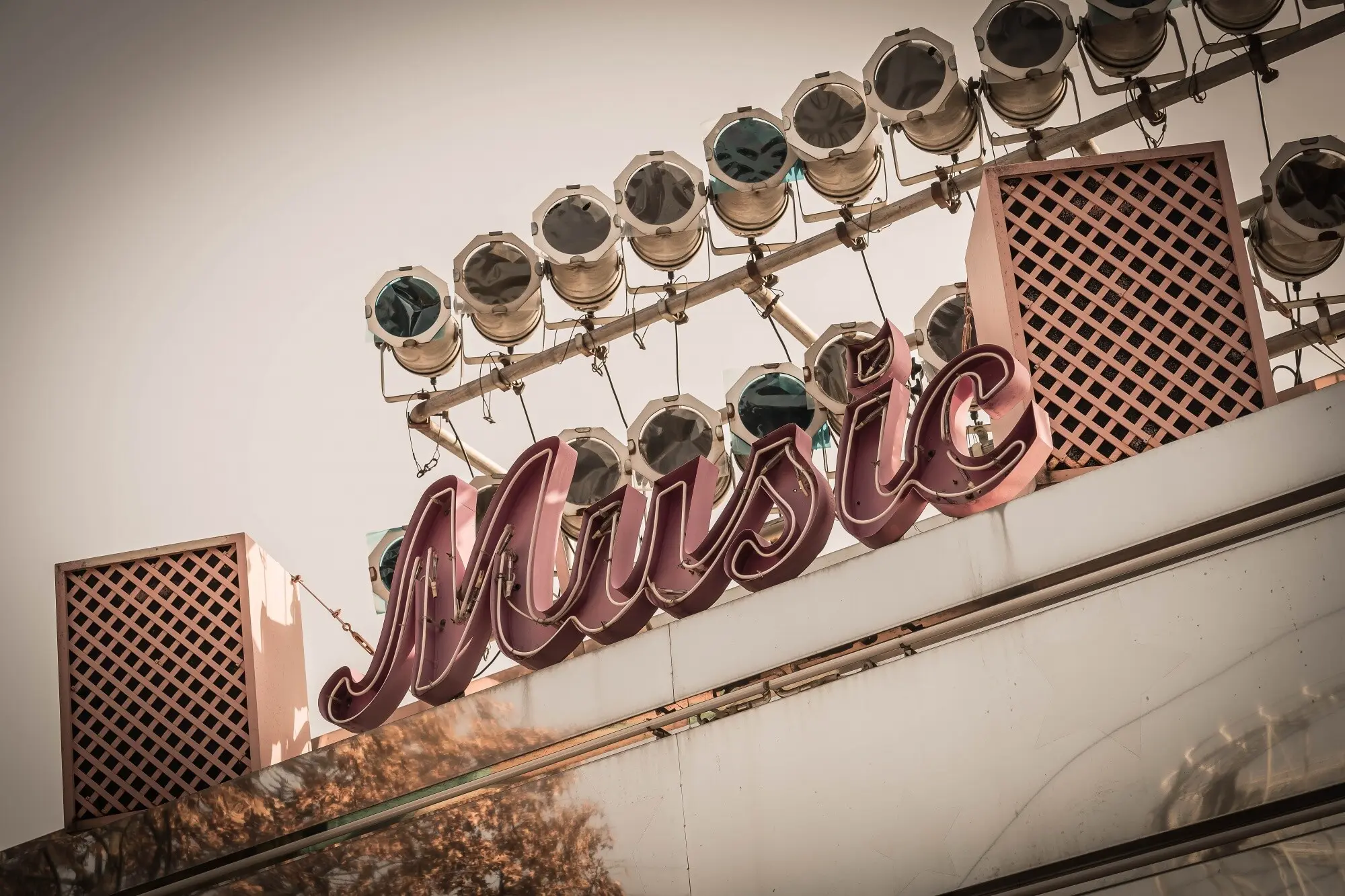
Preservationists have coaxed cracked transformers back to life, letting turquoise swallows, arrows, and script flicker again along famous crossings. Compare postcards’ hand-tinted glow with today’s LEDs and original tubes. Note repaired porcelain letters, re-planted yuccas, and repainted doors. The thrumming light bridges postcards’ whispered invitations with present-night shelter and renewed pride.

Fiberglass Giants and Their Quiet Stares

Muffler Men, cowboys, and spacemen once sold tires and hamburgers with outstretched arms. Many migrated, repainted, or swapped props. Overlay your postcard with today’s stance and see hairlines, bolt patterns, and stance adjustments that map decades of moves. Their expressions barely change, teaching stoic patience and roadside theater in equal, enduring measures.

Roadside Whimsy: Oversized Things That Persist

Concrete dinosaurs, colossal oranges, coffee pots big enough to sip a dream—novelty architecture promised stories as much as services. Then-and-now views spotlight cracks repaired, paint schemes revived, and some delightful patina preserved. These cheerful giants remain navigational stars, guiding new travelers with the same wink that once charmed postcard senders and recipients.

From Postmark to Map Pin

A successful revisit often begins with a smeared cancellation, a publisher’s code, or a handwritten arrow. Research transforms vagueness into coordinates. We combine directory entries, fire insurance maps, historic aerials, and oral histories to convert postcard mysteries into precise pins that send you confidently to the inheritance of view.

Reading Clues Written in the Margins

Flip the card. Street names, route numbers, phone exchanges, and even the sender’s directions—“two miles past the mill”—become breadcrumbs. Publisher imprints reference series catalogs; linen stock hints at an era. Every scribble matters. Gather details, cross-check spellings, and let handwriting stretch across decades to point your lens toward enduring pavement.

Historic Maps, Directories, and Aerials

City directories place proprietors at exact addresses; insurance maps diagram building footprints and combustible risk; early aerials reveal parking lots where orchards once grew. Layer these sources, and watch uncertainty collapse into certainty. The postcard’s façade snaps into alignment with survey lines, helping your feet and tripod occupy the original witness.

Modern Tools Without Losing the Past

Use satellite basemaps, parcel viewers, and street-level imagery to verify sightlines, while remembering curb reconfigurations and widened lanes can distort perspective. Calibrate expectations and lenses accordingly. Digital convenience should illuminate, not overwrite, context. Treat tools as flashlights in a dusty archive, revealing edges without bleaching the textures that make comparison meaningful.

Reframing Yesterday

Matching a postcard begins before you step outside. Gently scan, clean, and study the print so every crease and color hint informs your fieldwork. Then choose lenses, heights, and focal lengths that echo the original optics, honoring differences while crafting a revealing, respectful conversation between past framing and present seeing.

Lens Choices That Match Old Perspectives

Many postcards feel slightly wide, yet undistorted—often equivalent to mild wide-angle fields. Test several focal lengths while watching how verticals behave and how distant hills expand or shrink. Keep your camera height consistent with likely postcard eye-level. Precision here turns casual resemblance into goosebump alignment and storytelling precision on asphalt’s stage.
Scan, Clean, and Honor the Print

High-resolution scans capture halftone dots, linen textures, and pencil notations that guide field alignment later. Remove dust carefully, but resist over-smoothing; grain can be a compass. Preserve original borders and captions for context. Your respectful edits ensure the postcard’s whisper remains audible when today’s image finally stands beside it.

Composite Overlays and Gentle Alignments

Back home, overlay postcard and modern frame using blend modes and lowered opacity. Align chimney corners, curb arcs, and roof ridges before refining with minor warps. Aim for interpretive faithfulness, not surgical sameness. The survival of trees, signage, and sky wires tells the better story when small differences remain intentionally visible.

Respectful Re-creations

Our comparisons celebrate people, places, and livelihoods. With celebration comes responsibility: understand reproduction rights, credit sources, ask permission where appropriate, and keep communities central. Ethical practice safeguards goodwill so future photographers, researchers, and travelers can keep revisiting the same shoulders, corners, and counters without doors closing or smiles fading.

01

Copyright, Fair Use, and Reproduction Notes

Many early postcards may be public domain depending on publication date, renewal status, and jurisdiction. Others carry enforceable rights or trademarks. Credit photographers, publishers, and collections. When in doubt, seek permission or link to holding institutions. Respectful attribution turns fragile paper memories into shared resources rather than contested battlegrounds.

02

Private Property and Friendly Conversations

The perfect angle often lives inside a lobby or driveway. Introduce yourself, share the old card, and ask if you may photograph from a matching spot. Offer to email a comparison image afterward. Such exchanges grow trust, spark stories, and often unlock better access than solitary, hurried shooting ever could.

03

Leave No Trace on the Shoulder

Park legally, avoid blocking ramps or views, and tread lightly on landscaping. Pack out trash, keep noise low during early visits, and step away quickly if operations need space. Your presence should feel like a postcard postscript—brief, appreciative, and kind—so the road welcomes you and future seekers back.

How to Share a Card and a Coordinate

Scan front and back, note any handwriting, and include approximate dates. Add GPS coordinates or cross streets if known, plus a snapshot of the present scene. Upload through our form, and tell us how you found it. Every careful detail sharpens the pin we place for fellow explorers.

Interview Questions for Family Historians

Ask who drove, where you slept, why you stopped, and what the postcards meant upon arrival. Dates, companions, and funny mishaps clarify locations. Photograph annotated albums alongside the cards. These human anchors breathe life into before-and-after frames, turning pictures into chapters and mile markers into turning points worth revisiting.

Subscribe, Comment, and Help Us Connect Dots

Join our updates to receive route plans, new comparisons, and calls for missing angles. Comment with corrections, legends, or shop names we overlooked. Share posts with friends who might remember. Your voice knits disparate shoulders, motels, and neon letters into a community atlas where curiosity continually finds home.