


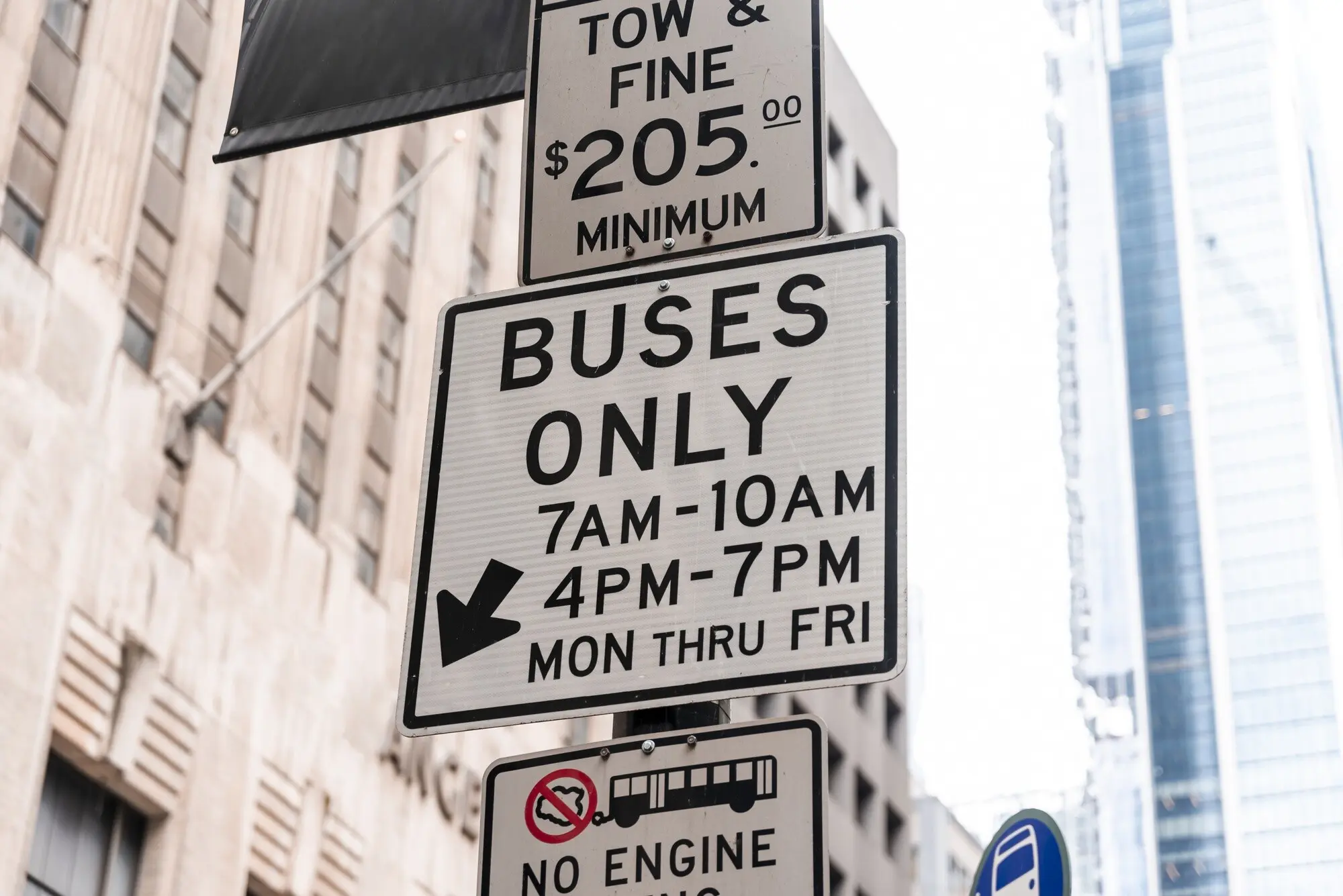
Perspective lines are breadcrumbs. Study how a motel balcony vanishes toward an intersection, how a sign’s lettering slants, how a curb cuts diagonally across the foreground. These cues reveal camera height, distance, and lens behavior. Recreate the stance, breathe, and let patience align today’s scene with the postcard’s quiet geometry.
Postcards often captured cloudless skies and mid-morning shadows, but reality changes hourly. Return at similar seasons to match foliage density, sun angle, and even snowbanks. Overcast light can reduce harsh contrast, while golden hour can echo hand-tinted warmth. Accept small differences; they prove that time has moved, and you faithfully followed.
Roads widen, shoulders vanish, and traffic speeds up. Use reflective gear, pull far from lanes, and never trespass. If your perfect vantage point sits inside a business, ask kindly and explain your historical project. Most owners delight in seeing their place honored and happily help you stand where the postcard stood.

Many postcards feel slightly wide, yet undistorted—often equivalent to mild wide-angle fields. Test several focal lengths while watching how verticals behave and how distant hills expand or shrink. Keep your camera height consistent with likely postcard eye-level. Precision here turns casual resemblance into goosebump alignment and storytelling precision on asphalt’s stage.
High-resolution scans capture halftone dots, linen textures, and pencil notations that guide field alignment later. Remove dust carefully, but resist over-smoothing; grain can be a compass. Preserve original borders and captions for context. Your respectful edits ensure the postcard’s whisper remains audible when today’s image finally stands beside it.

Back home, overlay postcard and modern frame using blend modes and lowered opacity. Align chimney corners, curb arcs, and roof ridges before refining with minor warps. Aim for interpretive faithfulness, not surgical sameness. The survival of trees, signage, and sky wires tells the better story when small differences remain intentionally visible.
Many early postcards may be public domain depending on publication date, renewal status, and jurisdiction. Others carry enforceable rights or trademarks. Credit photographers, publishers, and collections. When in doubt, seek permission or link to holding institutions. Respectful attribution turns fragile paper memories into shared resources rather than contested battlegrounds.
The perfect angle often lives inside a lobby or driveway. Introduce yourself, share the old card, and ask if you may photograph from a matching spot. Offer to email a comparison image afterward. Such exchanges grow trust, spark stories, and often unlock better access than solitary, hurried shooting ever could.
Park legally, avoid blocking ramps or views, and tread lightly on landscaping. Pack out trash, keep noise low during early visits, and step away quickly if operations need space. Your presence should feel like a postcard postscript—brief, appreciative, and kind—so the road welcomes you and future seekers back.
All Rights Reserved.